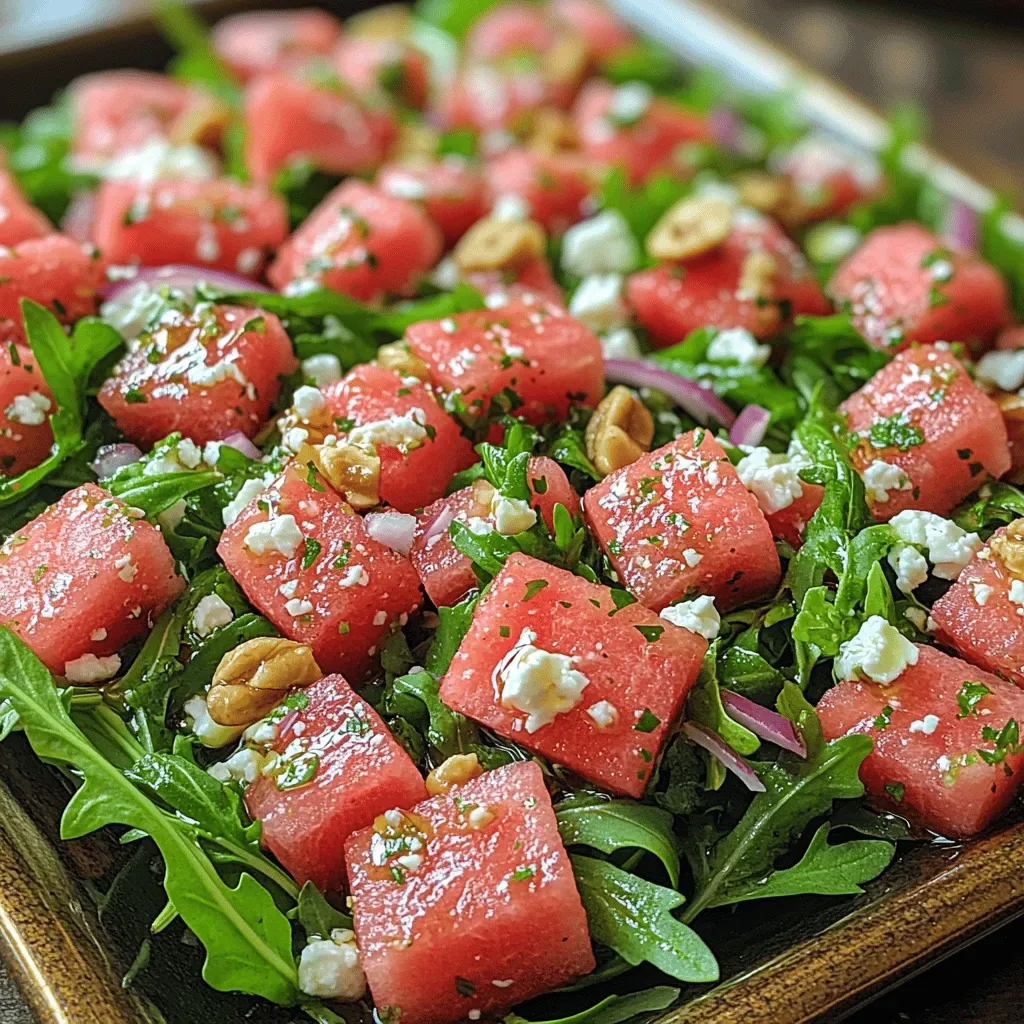
Why You'll Love This Recipe
The first time I tasted a bowl of creamy turkey corn chowder was on a crisp autumn evening, the kind where the wind whistles through the maple trees and the scent of woodsmoke drifts from a neighbor’s fire pit. My mother had just finished carving the turkey from Thanksgiving dinner, and the leftover meat was still warm, its juices still clinging to the meat. I remember watching her pull out a battered tin of sweet corn, a couple of russet potatoes, and a handful of fresh herbs. She turned the kitchen into a laboratory of flavor, coaxing each ingredient into a harmonious dance. The broth simmered slowly, releasing a perfume that made the whole house feel like a sanctuary.
That night, the chowder became more than a dish; it was a memory of togetherness. My siblings gathered around the kitchen island, each with a wooden spoon ready to dive in. The creamy texture, speckled with bright yellow kernels and tender turkey chunks, reminded us of the bounty of the harvest season. It was a bridge between the celebratory extravagance of Thanksgiving and the quieter, more intimate meals that follow. The experience taught me that a simple, well‑balanced soup can anchor a family’s narrative, turning leftovers into a culinary story worth retelling.
What makes this particular chowder stand out is the intentional layering of flavors and textures. The potatoes provide a starchy backbone that thickens the broth without the need for a roux, while the corn adds bursts of sweetness that contrast beautifully with the smoky undertones of paprika. A splash of heavy cream finishes the dish with a silkiness that feels indulgent yet restrained. Each element has been chosen not only for taste but also for the way it contributes to the overall mouthfeel, creating a comforting dish that feels both familiar and elevated. This is why I keep returning to it, and why I’m eager to share it with you.
Instructions
Step 1: Prepare the Base Aromatics
Heat a large heavy‑bottomed pot or Dutch oven over medium heat and add a tablespoon of olive oil. Once shimmering, add the finely chopped onion, diced celery, and carrot. Sauté gently for about 5‑7 minutes, stirring occasionally, until the vegetables become translucent and the onion turns a soft golden hue. This slow development of flavor is crucial; it creates a sweet, fragrant foundation that will permeate the entire chowder. As the vegetables soften, they release natural sugars which will later balance the savory broth. If you notice any sticking, deglaze the pan with a splash of the broth to lift the caramelized bits, known as fond, which adds depth to the final dish.
Step 2: Add Garlic and Spices
When the vegetables are soft, stir in the minced garlic, smoked paprika, and fresh thyme leaves. Cook for another 1‑2 minutes, allowing the garlic to become fragrant but not browned—overcooked garlic can turn bitter. The smoked paprika will bloom, releasing its subtle smoky aroma, while the thyme begins to infuse the oil with its herbaceous notes. This brief cooking period is essential; it awakens the spices without burning them, ensuring a balanced flavor profile throughout the chowder.
Step 3: Incorporate Potatoes and Broth
Add the diced Yukon Gold potatoes to the pot, stirring to coat them with the seasoned aromatics. Pour in the low‑sodium chicken or turkey broth, ensuring the potatoes are fully submerged. Increase the heat to bring the mixture to a gentle boil, then reduce to a simmer. Allow the chowder to cook for about 12‑15 minutes, or until the potatoes are fork‑tender. As the potatoes soften, they release starch, naturally thickening the broth without the need for a roux. Keep the pot partially uncovered to let excess steam escape, which helps achieve a creamy consistency rather than a watery one.
Step 4: Add Corn and Turkey
Stir in the corn kernels and shredded turkey. The corn should be added now so it can warm through without overcooking, preserving its snap. The turkey, already cooked, only needs to be heated, which takes about 3‑4 minutes. This timing prevents the meat from drying out and ensures the corn retains its bright color and sweet flavor. Taste the broth at this stage and adjust seasoning with a pinch of salt and freshly cracked black pepper, remembering the broth already contributes some salt.
Step 5: Reduce Heat and Add Cream
Lower the heat to medium‑low. Slowly pour in the heavy cream while stirring continuously. This gradual incorporation prevents the cream from curdling and ensures a smooth, velvety texture. Once the cream is fully blended, allow the chowder to simmer gently for another 5 minutes. During this time, the cream will meld with the broth, enriching the flavor and creating a luxurious mouthfeel. Keep the temperature low enough that the mixture bubbles only faintly; a vigorous boil could cause the cream to separate.
Step 6: Final Seasoning and Fresh Herbs
Taste the chowder one last time. Add additional salt and pepper if needed, remembering that the flavor should be balanced—creamy, slightly smoky, with a hint of sweetness from the corn. Stir in the chopped fresh parsley right before turning off the heat; the parsley’s bright, herbaceous notes will lift the richness and add a pop of color. If you enjoy a bit of acidity, a squeeze of fresh lemon juice (about ½ teaspoon) can brighten the final bowl.
Step 7: Serve Hot with Garnish
Ladle the hot chowder into deep bowls. Garnish each serving with a sprinkle of additional parsley, a drizzle of olive oil, and, if desired, a few extra corn kernels for texture. Serve with crusty sourdough or a warm buttered roll on the side. The steam rising from the bowl, the aroma of thyme and smoked paprika, and the creamy texture should instantly evoke the comforting feeling you experienced the first time you tasted it.
Step 8: Store Leftovers Properly
If you have leftovers, allow the chowder to cool to room temperature (no more than two hours). Transfer it to airtight containers and refrigerate for up to three days. For longer storage, portion into freezer‑safe bags, leaving headspace, and freeze for up to two months. When reheating, do so gently over low heat, stirring frequently, and add a splash of broth or milk if the consistency has thickened too much. Avoid boiling, as high heat can cause the cream to separate.
Expert Tips
Tip #1: Use Homemade Broth
A homemade turkey or chicken broth adds layers of flavor that store‑bought low‑sodium broth can’t match. Simmer bones, carrots, celery, onion, and herbs for at least an hour, then strain. This depth translates directly into a richer, more satisfying chowder.
Tip #2: Don’t Over‑Blend
While it’s tempting to blend the soup for extra smoothness, keep some texture. The small potato pieces and corn kernels provide pleasant contrast and visual interest.
Tip #3: Finish with Acid
A tiny splash of fresh lemon juice or a dash of white wine vinegar brightens the creamy base, balancing the richness and enhancing the corn’s sweetness.
Tip #4: Keep the Heat Low When Adding Cream
High heat can cause the cream to curdle. Lower the flame, stir constantly, and add the cream gradually to maintain a silky texture.
Tip #5: Use Fresh Herbs at the End
Adding parsley and thyme at the end preserves their bright flavor and color, preventing them from wilting or turning bitter during prolonged cooking.
Tip #6: Adjust Thickness with Starchy Potatoes
If you prefer a thicker chowder, reserve a half‑cup of cooked, mashed potatoes and stir them in after the broth has simmered. This natural thickener avoids extra flour.
Tip #7: Toast the Paprika
Briefly toast smoked paprika in a dry pan before adding it to the soup. This releases its oils and intensifies the smoky flavor without adding bitterness.
Common Mistakes & How to Avoid Them
Boiling the soup after the cream is added can cause curdling, resulting in a grainy texture. Keep the heat low and simmer gently.
Because the broth already contains sodium, adding extra salt early can make the chowder overly salty. Season gradually and taste before final adjustment.
Omitting the onion, celery, and carrot reduces depth. Even a quick sauté of these aromatics builds the flavor foundation essential for a balanced chowder.
Corn kernels left to cook too long become mushy and lose their sweet snap. Add them in the final few minutes of cooking.
Chowder thickens as it cools. When reheating, add a splash of broth, milk, or water to restore the desired creamy consistency.
Variations & Creative Twists
- Spicy Jalapeño Kick: Dice one fresh jalapeño (seeds removed for less heat) and sauté with the aromatics. Finish with a drizzle of chipotle hot sauce for smoky heat.
- Creamy Coconut Version: Substitute half of the heavy cream with full‑fat coconut milk. Add a pinch of curry powder for an exotic, slightly sweet profile.
- Cheesy Bacon Upgrade: Stir in ½ cup shredded sharp cheddar and sprinkle crumbled cooked bacon on top before serving for a rich, indulgent twist.
- Vegetarian Substitute: Omit turkey and replace with smoked tofu cubes or hearty chickpeas. Use vegetable broth and add a teaspoon of liquid smoke for depth.
- Herb‑Infused Rustic Style: Blend in a tablespoon of fresh rosemary and a handful of sage leaves during the simmering stage for an earthy, forest‑floor flavor.
Storage & Reheating
Allow the chowder to cool to room temperature (no longer than two hours). Transfer to airtight containers. Refrigerate for up to three days. For longer storage, portion into freezer‑safe bags, label with the date, and freeze for up to two months. To reheat, place the desired amount in a saucepan over low to medium‑low heat, stirring frequently. If the soup has thickened, whisk in a splash of broth, milk, or water until the original consistency returns. Avoid a rolling boil, as high heat can cause the cream to separate. For microwave reheating, use a microwave‑safe bowl, heat in 30‑second intervals, stirring between each, and add a little liquid if needed.
Serving Suggestions
Serve the chowder with a side of warm, butter‑toasted sourdough or a crusty baguette to soak up the luscious broth. A light mixed green salad dressed with a lemon‑yogurt vinaigrette adds a refreshing contrast to the richness. For a heartier plate, pair with roasted Brussels sprouts tossed in olive oil and garlic, or a simple quinoa pilaf seasoned with fresh herbs. If you’re entertaining, present the chowder in individual oven‑safe ramekins, finish with a drizzle of truffle oil, and garnish with microgreens for an elegant touch.
Frequently Asked Questions
Nutrition (Per Serving)
Values are approximate and based on standard ingredient brands.